The NCAA Regional Weekend, Explained
The regional weekend is the second Thursday-to-Sunday of the NCAA tournament, and for a lot of fans it’s the best volleyball of the year. Sixteen teams show up at four campus gyms. By Sunday night, twelve are done and four are headed to the Final Four. In 2025, two of those four regionals ended with a No. 1 seed losing on its own floor.
This page explains how the round works, who hosts, how to follow it, and what the bracket math actually means. It’s a teaching page, not a projection: we don’t predict 2026 seeds, hosts, or regional fields. Those don’t exist until Selection Sunday on Nov. 29.
Live hubs: Road to the Championship · NCAA.com DI women’s volleyball · NCAA RPI · Championship history
Related: Selection Sunday · Final Four history primer · RPI and résumé metrics · AVCA polls explained · 2026 season overview · Daily Desk
The short version
| Piece | 2026 (per NCAA.com) |
|---|---|
| Teams in the round | 16, the winners of the 16 first-and-second-round sites |
| Sites | Four regionals at non-predetermined campus sites |
| Dates | Dec. 10–13, 2026 |
| Format | Single elimination: regional semifinals, then regional finals |
| What the winner gets | A spot in the national semifinals, Dec. 17 at the Alamodome in San Antonio |
| Championship match | Dec. 20, 2026, Alamodome |
Source: NCAA.com’s Road to the Championship page for 2026. Fans call the regional semifinal the Sweet 16 and the regional final the Elite Eight. Those are nicknames, not official round names.
How a team gets there
The DI tournament is 64 teams, single elimination, every match best three of five sets. The bracket runs in three stages:
- First and second rounds (Dec. 3–5, 2026). Sixteen campus sites, four teams each. Win two matches and you’re one of the 16 survivors.
- Regionals (Dec. 10–13). Those 16 teams are split across four regional sites, four teams per site. Win two more matches and you’ve won your regional.
- National semifinals and final (Dec. 17 and 20). The four regional champions meet at the predetermined site, which is San Antonio this year.
The NCAA’s 2025–26 prechampionship manual describes the same shape: 16 on-campus first-and-second-round sites, four regional tournaments at non-predetermined sites, and the four regional winners advancing to the championship site. That manual covers the 2025 tournament. The 2026 version wasn’t posted when we checked on Oct. 17, so treat anything from it as last year’s procedure until the new one appears.
Who hosts a regional?
This is the question fans argue about most, so here’s what the official documents actually say.
Regionals are played on a campus, and the sites aren’t known in advance. The manual says all first-round, second-round, and regional matches “will be played on the campus of one of the participating institutions.” Schools that want to host submit a bid, with a separate budget for each round they want, and the regional-round financial guarantee was $15,000 in the 2025 manual. A host has to meet facility rules too, including an in-floor net system, comparable locker rooms for each team, and practice time for four teams.
Seeds matter for hosting. The NCAA’s site-selection policy in the manual says that for championships that seed a quarter of the bracket, sites go to seeded teams that submit a bid meeting the hosting requirements, with geography used when a seeded team doesn’t bid. In practice, a highly seeded team that keeps winning usually stays home.
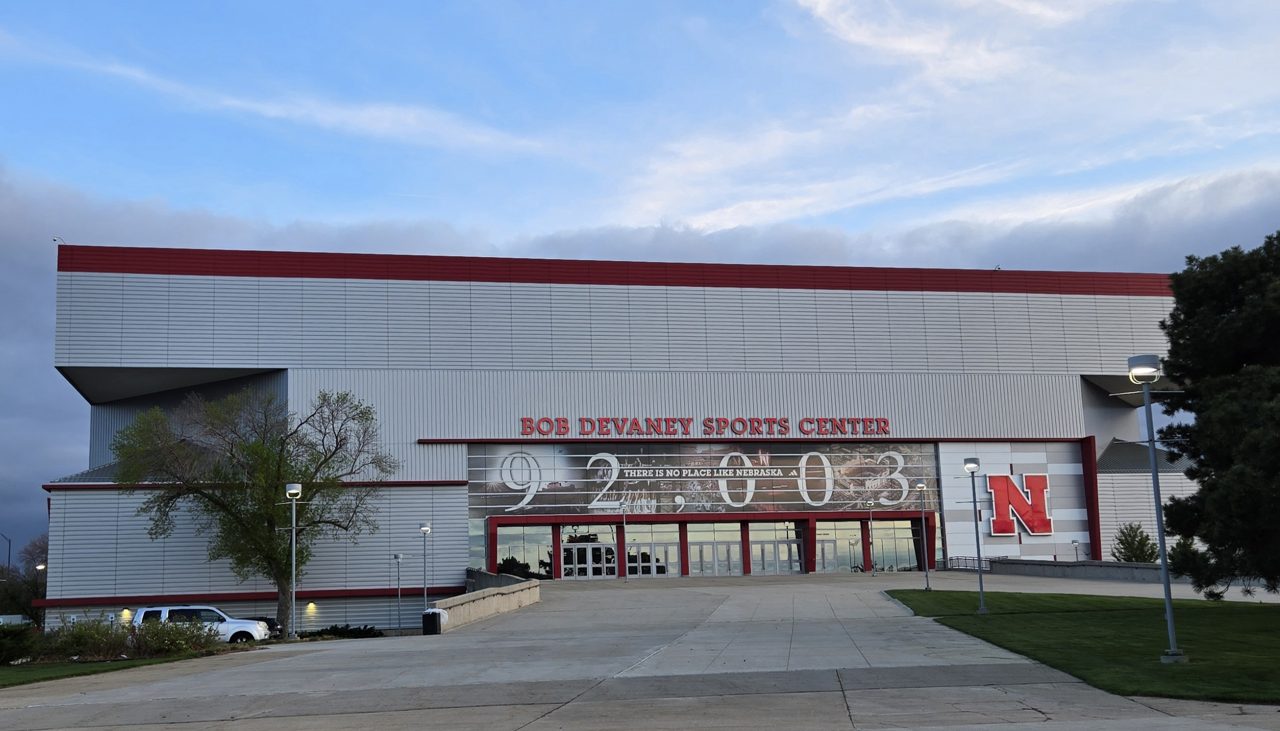
What actually happened in 2025: all four regionals were played on the home floors of the four No. 1 seeds. Those were Lincoln (Nebraska), Pittsburgh (Pitt), Lexington (Kentucky), and Austin (Texas). That’s a description of one year, not a promise about 2026. If a would-be host loses in the second round, the regional still goes on, and the committee’s site plan decides where.
How seeding works now. The manual describes a bracketing pilot the committee used again for 2025. It picks the top 32 teams, ranks the top 16 and assigns them seeds 1 through 4, then places the rest of the top 32 as seeds 5 through 8. Published seeds come in four sets of 1–8, one set per quarter of the bracket. Each quarter of the bracket feeds one regional, so a full-chalk regional would be that quarter’s 1, 2, 3, and 4 seeds. First- and second-round conference matchups are avoided. For the full selection picture, see Selection Sunday.
What the weekend looks like
The manual’s date formula puts regionals on the Thursday and Saturday or Friday and Sunday after the first and second rounds. In 2025, Lexington and Pittsburgh played Thursday/Saturday while Lincoln and Austin played Friday/Sunday. For 2026, that lines up with NCAA.com’s Dec. 10–13 window.
At each site:
- Day one: two regional semifinals. Four teams, two matches. The committee sets the match order at regionals; at first-and-second-round sites, the host plays the second match.
- A day off. Each team gets practice time in between, per the facility rules.
- Day three: the regional final. One match, winner to the Final Four.
A few details from the 2025 manual that explain what you see on TV:
- The host team, or the higher seed when the host isn’t playing, is the home team and wears light uniforms.
- Teams can dress a maximum of 16 players, and the NCAA pays travel for an official party of 23.
- Start times for regional rounds are set by the committee and NCAA staff, and TV can move them.
2025: a case study in why seeds aren’t destiny
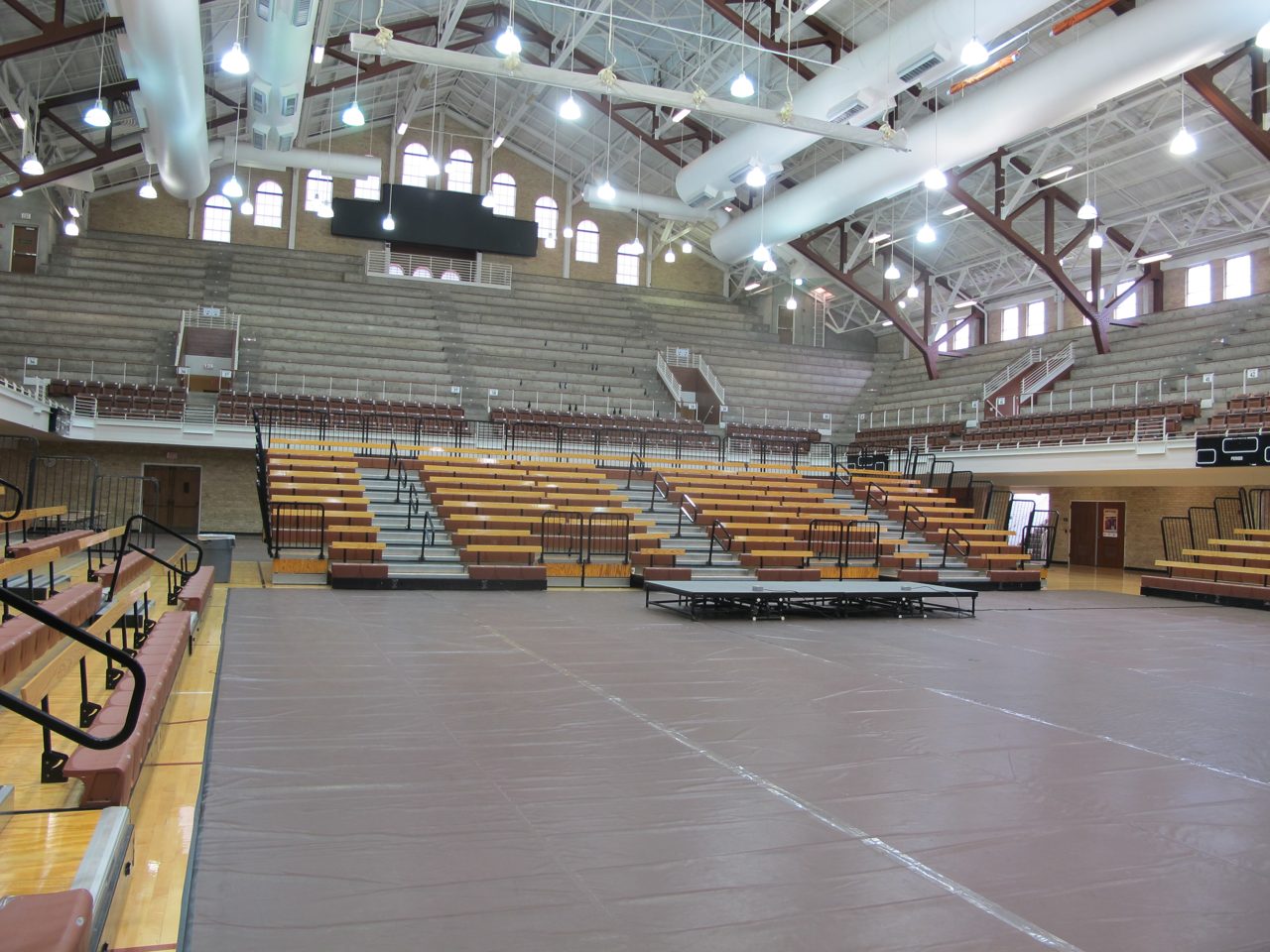
Last year’s regionals are the best argument for watching all four sites. Here are the regional finals, with seeds as printed in NCAA.com’s 2025 bracket recap and the regionals live blog.
| Regional | Regional final | Result |
|---|---|---|
| Lexington | No. 1 Kentucky vs. No. 3 Creighton | Kentucky 3–0 |
| Pittsburgh | No. 1 Pittsburgh vs. No. 3 Purdue | Pitt 3–1 |
| Lincoln | No. 1 Nebraska vs. No. 3 Texas A&M | Texas A&M 3–2 |
| Austin | No. 1 Texas vs. No. 3 Wisconsin | Wisconsin 3–1 |
What stands out:
- Two home No. 1 seeds lost on the final day. Texas A&M won in Lincoln after beating No. 2 seed Louisville in five sets in the regional semifinal, then went on to win the national title. Wisconsin won in Austin after beating No. 2 Stanford. NCAA.com noted it was Texas’s first home regional-final loss since 2021.
- No regional final was a 1-vs-2. Every No. 2 seed lost in the regional semifinals: Arizona State to Creighton, SMU to Purdue, Stanford to Wisconsin, and Louisville to Texas A&M.
- An unseeded team made the Sweet 16. Cal Poly reached the Lexington regional, where it lost to Kentucky.
- Two No. 3 seeds reached the Final Four. NCAA.com pointed out that with both Texas and Nebraska out, Kansas City got two No. 3 seeds, Wisconsin and Texas A&M.
For how that Aggie run ended, see the Texas A&M program profile.
How to follow regional weekend (checklist)
- Selection Sunday, Nov. 29. Save the official bracket from NCAA.com. Note which seeds sit in each quarter, because that quarter is the regional.
- Dec. 3–5. Watch which top-four seeds survive their home first-and-second-round sites. That’s your best early read on where regionals land, but wait for the official announcement.
- Before you travel. Regional sites aren’t predetermined, so you may only have about a week to plan. Check NCAA.com and the host school’s athletics site for the official site, tickets, and times.
- During the weekend. If the split looks like 2025’s, with two regionals on Thursday/Saturday and two on Friday/Sunday, that’s four straight days of volleyball if you follow all of them. Confirm the official schedule.
- After Sunday. The four regional champions are your Final Four field. Then switch to the Final Four history primer.
Our Daily Desk tracks verified box-score stats through the season, which helps when you want to know how a team has actually been playing going into December. Side-out vs. point-scoring explains the numbers that tend to swing close tournament matches.
What about Division II and Division III?
DII and DIII run their own championships with different bracket sizes and regional structures, and the NCAA’s 2026 fall schedule lists their finals in Kansas City (DII) and Pittsburgh (DIII), with selection shows on Nov. 15 and Nov. 16. Check each division’s NCAA.com page for regional formats. Don’t assume the DI dates or format apply.
What this page doesn’t do
- Project 2026 seeds, regional hosts, or regional fields
- Treat AVCA poll position as a guarantee of a home regional (AVCA Polls Explained)
- Use gambling or odds framing
- Present the 2025 manual as the final word on 2026 procedures
Related reading
- NCAA Selection Sunday: What Matters
- Final Four History Primer
- Understanding Résumé Metrics (RPI / KPI)
- Conference Tournament Preview Template
- 2026 Season Overview
- How to Watch Women’s College Volleyball
- Daily Desk
Sources
- NCAA.com — Road to the Championship (2026: 64 teams, 31 AQ / 33 at-large; selection show Nov. 29; first and second rounds Dec. 3–5 at non-predetermined campus sites; regionals Dec. 10–13 at non-predetermined campus sites; semifinals Dec. 17 and final Dec. 20 at the Alamodome). Checked Oct. 17, 2026.
- NCAA — 2025–26 DI Women’s Volleyball Prechampionship Manual (PDF) (championship format, date formula, bracketing pilot, site-selection policy, prospective-host criteria, $15,000 regional guarantee, uniforms, 16-player and 23-person limits). Covers the 2025 championship.
- NCAA.com — 2026 NCAA fall sports championship schedule (DI selection show Nov. 29, 6 p.m., ESPN; DII and DIII finals sites and selection dates)
- NCAA.com — 2025 bracket, schedule, and scores (2025 regional semifinal and final results with seeds)
- NCAA.com — 2025 regionals results and recap (Wisconsin at Gregory Gym, Texas A&M at the Devaney Center, two No. 3 seeds to Kansas City)
- Wikipedia — 2025 NCAA DI women’s volleyball tournament (2025 regional venues and host schools; cross-checked against the NCAA.com results above)